We focus on training adaptation biology and recovery mechanisms.
Honest coverage of peptides and compounds studied in athletic contexts.
No bro-science. Every claim traces back to published literature.
We cover what studies show — not what to take or how much.

Muscle Research covers the science of hypertrophy, sports physiology, and performance compounds from a research perspective. We synthesize what exercise science actually shows about how muscle grows, how it recovers, and what comp…
Learn More →

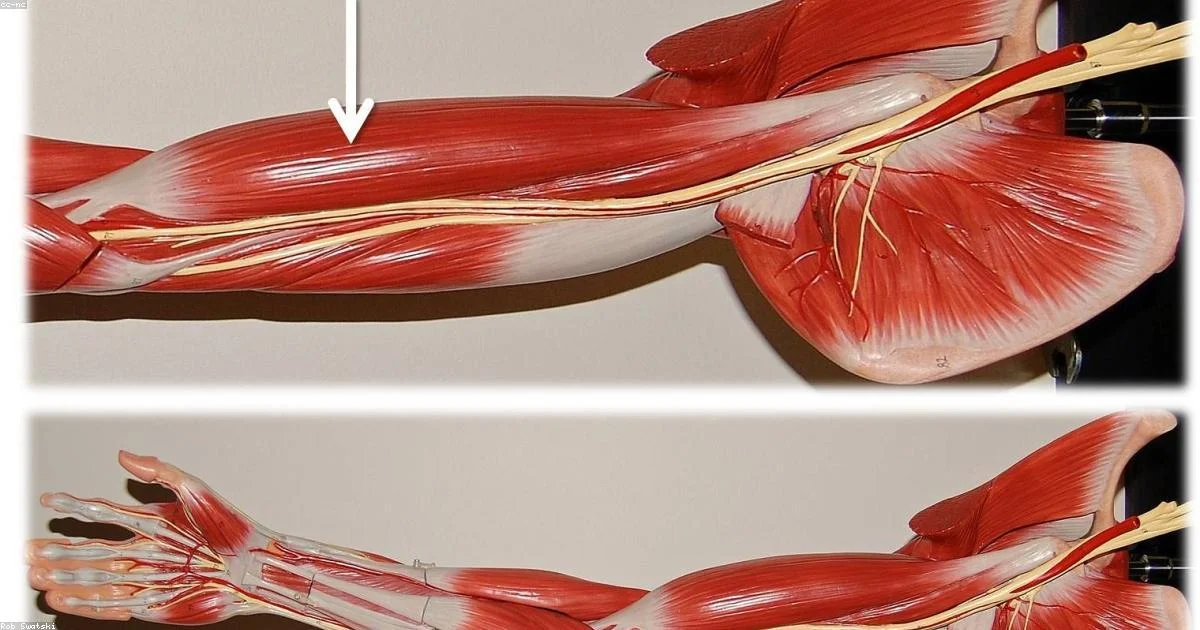











Comprehensive muscle science hub covering hypertrophy mechanisms, protein synthesis research, recovery optimiz…
How rating of perceived exertion and reps in reserve are used in research to regulate training intensity, and …
How lactate threshold is measured, what research shows about training at or near threshold, and why it matters…
A research-based comparison of linear, daily undulating, and block periodization for hypertrophy and strength,…
How nitric oxide drives vasodilation during resistance training, what the research says about its role in nutr…
Why grip strength appears repeatedly in longevity and disease-risk research, how it correlates with overall mu…
What research shows about the rate of strength and hypertrophy loss during training breaks, which adaptations …
How exercise triggers mitochondrial biogenesis via PGC-1alpha, the differences between endurance and strength …

How elevated cortisol drives muscle protein breakdown, what research says about training-induced cortisol spik…
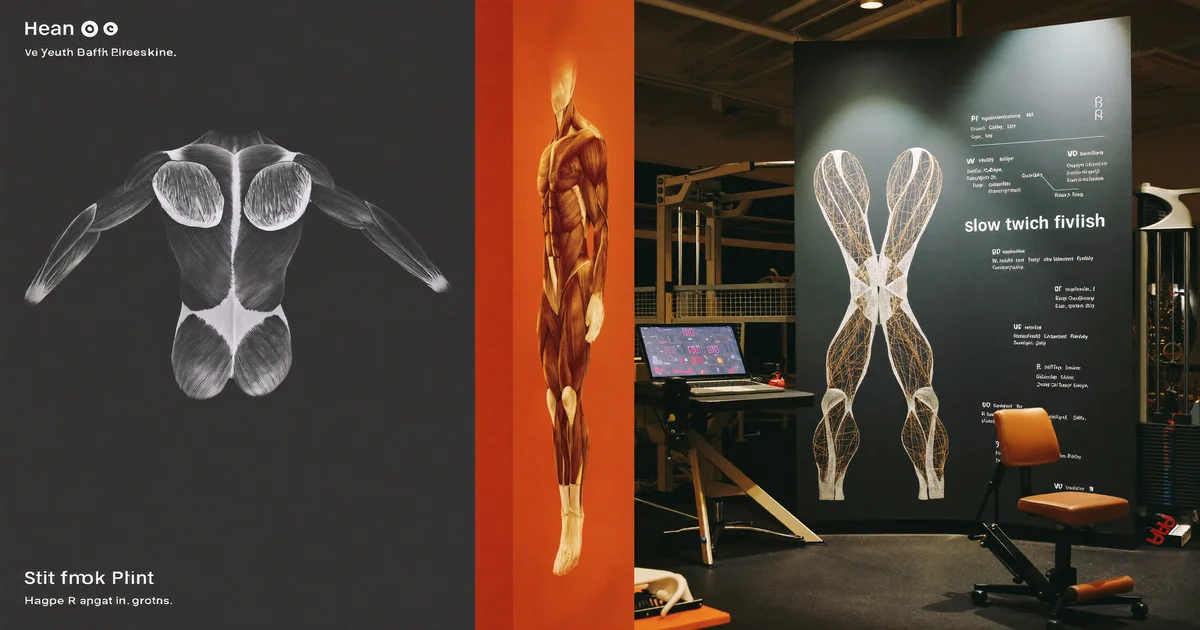
A research-backed breakdown of Type I and Type II fiber physiology, how each responds to training stimuli, and…

How resistance exercise stimulates collagen production in connective tissue, which protocols drive adaptation,…
Testosterone, growth hormone, and IGF-1 are the primary anabolic hormones. Here's how they interact.
Creatine is the most-studied performance supplement. Here's what 30 years of research actually shows.
Progressive overload is the most fundamental training principle. Here's the biomechanical and physiological re…
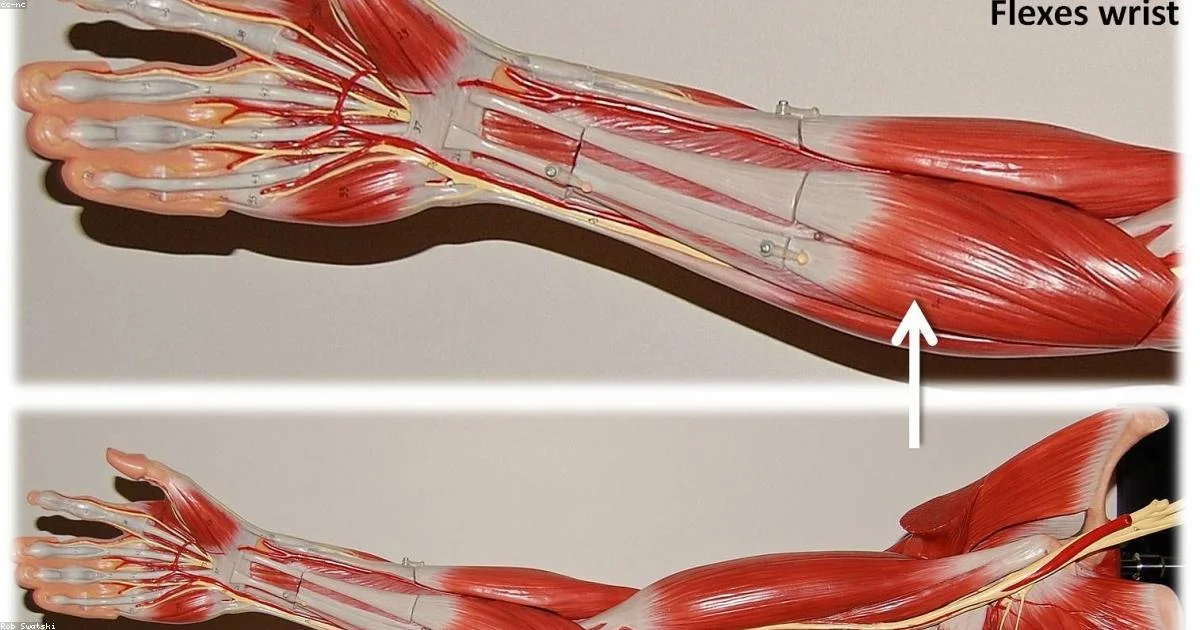
Delayed onset muscle soreness isn't just lactic acid. Here's the current science on what causes DOMS.
Myonuclei retention explains muscle memory. Here's the science behind why you regain muscle faster after a lay…
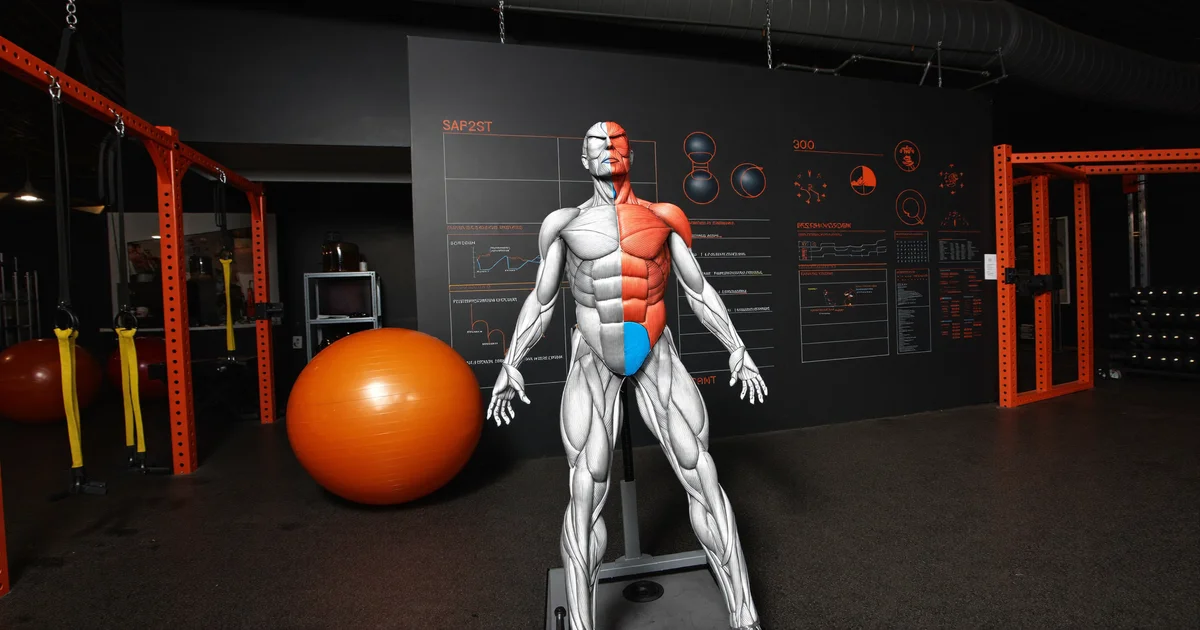
Can you gain muscle and lose fat simultaneously? The research says yes — under specific conditions.
Insulin is anabolic for muscle but also promotes fat storage. Here's how to think about insulin timing.
Testosterone binds androgen receptors and triggers anabolic gene expression. Here's the mechanism.
Leucine is the key trigger for mTORC1 activation. Here's the science behind its role in muscle protein synthes…
Glutamine is conditionally essential during intense training. Here's what the research shows on supplementatio…
Most gains happen during sleep. Here's the research on sleep stages, GH secretion, and muscle repair.
Satellite cells are the stem cells of skeletal muscle. Here's the science of how they activate and repair tiss…
Myostatin limits muscle hypertrophy. Here's the science of how it works and what research says about modulatin…
Tendons are the most injury-prone tissue in heavy training. Here's the collagen science for tendon maintenance…

Growth hormone-releasing peptides stimulate endogenous GH secretion. Research overview of mechanisms and studi…

Several research peptides are being studied for tissue repair mechanisms. Overview of the current landscape.
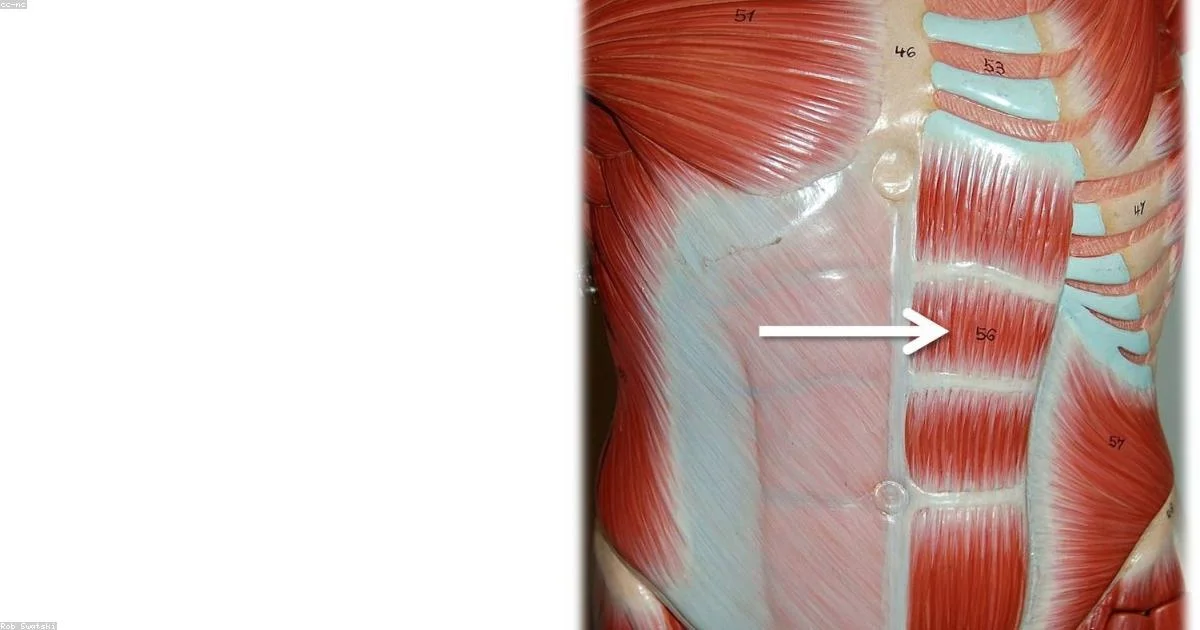
Caloric deficits trigger catabolism. Here's the research on anti-catabolic strategies and compounds studied.
BFR training produces hypertrophy with lighter loads. Here's the research on mechanisms and practical use.

Eccentric contractions create more mechanical tension than concentric. Here's why that matters for growth.

Understanding mTOR, protein synthesis, and muscle breakdown helps optimize training and recovery.
Muscle science research hub covering hypertrophy mechanisms, training physiology, recovery compounds, and sports science findings.