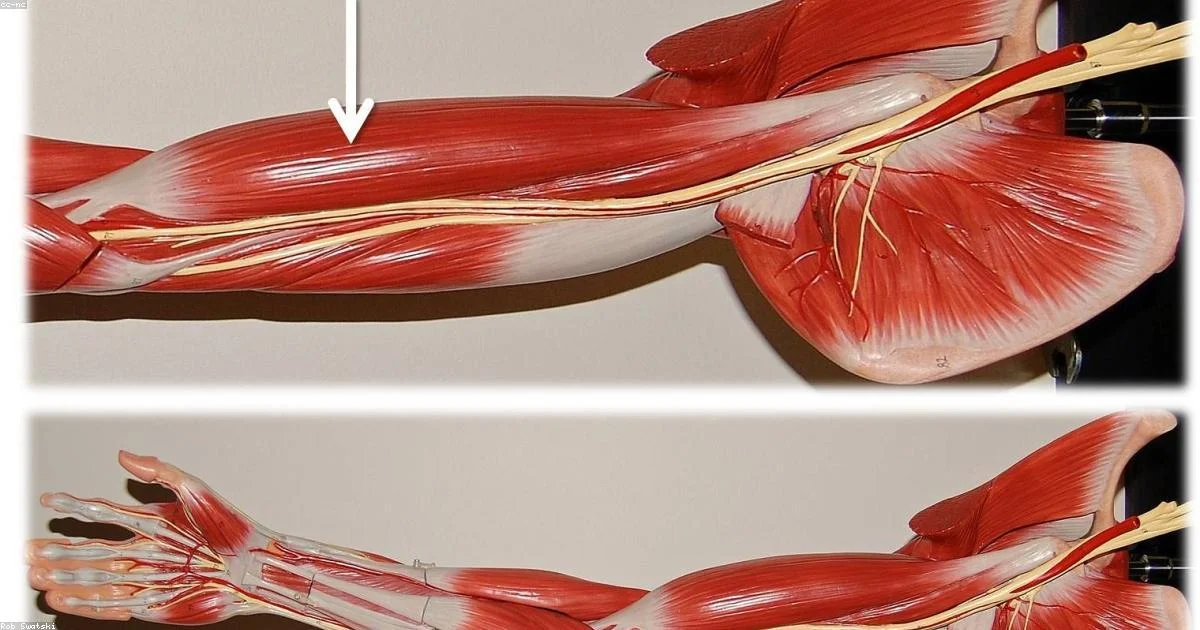
Muscle wasting sarcopenia is one of the most underappreciated threats to long-term health and independence. Most people don't notice it happening. Strength gradually fades across decades, muscle tissue is replaced by fat and connective tissue, and the body becomes less capable of handling everyday physical demands. By the time the decline is obvious, a significant amount of lean mass has already been lost. The good news is that skeletal muscle is remarkably adaptable at any age, and structured resistance training remains the most well-supported intervention for slowing, halting, or partially reversing this process.
Sarcopenia, defined broadly as the progressive loss of skeletal muscle mass and function associated with aging, is not an inevitable fate. It's a biological process influenced by training habits, nutritional status, hormonal environment, and lifestyle factors. Understanding how it works makes it considerably easier to address.
The physiology behind age-related muscle loss involves several overlapping mechanisms. Satellite cells, the muscle stem cells responsible for repair and growth, become less responsive over time. Motor units are lost, and the ones that remain fire less efficiently. Anabolic signaling, particularly through pathways involving insulin-like growth factor 1 and mechanistic target of rapamycin, becomes blunted. The net result is a gradual shift toward a catabolic environment where muscle protein breakdown begins to outpace synthesis.
Research suggests that this process accelerates significantly after the age of 60, though measurable changes in muscle fiber composition can begin as early as the fourth decade of life. Type II muscle fibers, the fast-twitch fibers responsible for power and explosive movement, are disproportionately affected. This explains why older adults often lose speed and reactive strength before they lose endurance capacity.
Chronic low-grade inflammation also plays a role. Elevated circulating inflammatory markers, sometimes described as "inflammaging," appear to interfere with anabolic signaling and accelerate protein catabolism. Physical inactivity compounds this problem substantially. Bed rest studies have consistently shown that even short periods of immobility can trigger rapid muscle loss in older populations at a rate far exceeding what would occur in younger adults under the same conditions.
No other single intervention has the breadth of evidence supporting it that resistance training does for muscle preservation in aging populations. Aerobic exercise supports cardiovascular health and metabolic function, but it doesn't generate the mechanical tension needed to stimulate meaningful muscle protein synthesis in atrophied tissue. Heavy, progressive loading does.
The mechanism is fairly direct. When a muscle is loaded under sufficient tension, particularly during the eccentric phase of a movement, microscopic damage triggers a repair cascade. Satellite cells are recruited, protein synthesis rates increase, and over successive training sessions, the muscle adapts by adding contractile proteins. In older adults, this process is slower and requires more stimulus to initiate, but it still occurs. Studies published in journals like the Journal of Physiology and Medicine and Science in Sports and Exercise have documented measurable gains in lean mass and strength in adults well into their 70s and 80s following structured resistance programs.
Progressive overload is the key principle. The training stimulus needs to increase over time to continue driving adaptation. This doesn't mean adding weight every session indefinitely, but it does mean systematically challenging the muscle beyond its current capacity, whether through load, volume, or density. A training program that stays comfortable is a program that has stopped generating meaningful adaptation.
Compound movements, those that recruit multiple joints and large muscle groups simultaneously, tend to produce the most favorable outcomes for functional strength. Squats, deadlifts, rows, and pressing movements address the muscle groups most critical for mobility and fall prevention. For individuals with joint limitations or significant deconditioning, machine-based training and bodyweight progressions can serve as effective entry points before advancing to free-weight work.
Training stimulus alone isn't sufficient. The body needs adequate raw material to rebuild muscle tissue, and protein intake in aging populations is frequently inadequate relative to physiological need.
Older adults experience a phenomenon called anabolic resistance, meaning the muscle's response to a given dose of dietary protein is blunted compared to younger adults. Research suggests that higher per-meal protein doses, in the range of 35 to 40 grams, may be necessary to maximally stimulate muscle protein synthesis in older individuals, whereas younger adults may reach similar responses with smaller amounts. This is relevant for anyone structuring meals around training.
Leucine, the branched-chain amino acid that functions as a primary activator of the mTOR signaling pathway, appears to be a particularly important variable. Foods with high leucine content, including animal proteins and certain legume combinations, tend to produce stronger anabolic responses. This is one reason practitioners working with older clients often prioritize dietary protein quality alongside total quantity.
The relationship between protein distribution throughout the day and muscle protein balance is also worth considering. Concentrating protein intake at a single meal, as is common in dietary patterns with a large dinner and lighter earlier meals, appears less effective at maintaining positive protein balance than distributing it more evenly. This connects directly to related discussions around metabolic health optimization and how daily nutritional structure affects body composition outcomes over time.
The hormonal environment shifts considerably with age in ways that directly affect the body's capacity to build and maintain muscle. Testosterone, growth hormone, and insulin-like growth factor 1 all decline. These hormones don't just influence muscle mass directly. They also modulate recovery capacity, connective tissue integrity, and the body's response to training stress.
This hormonal decline helps explain why older adults tend to require longer recovery periods between sessions and are more susceptible to overtraining. It's not a reason to train less hard. It is a reason to program recovery more deliberately. Sleep quality, which is also connected to growth hormone secretion, becomes a meaningful variable. Research in this area increasingly points to sleep as a primary recovery lever, not a secondary one.
Some practitioners working in performance and longevity contexts have explored how optimizing hormonal status through lifestyle, sleep, and targeted nutritional strategies can support the response to resistance training. This intersects with broader conversations around peptide research and hormonal optimization protocols, areas that researchers and clinicians continue to examine for their potential roles in age-related muscle maintenance. These are active research areas with promising directions, but clinical protocols in this space should involve qualified medical supervision.
One acknowledged limitation worth stating directly: most long-term resistance training studies in older adults have relatively short follow-up periods, often 12 to 24 weeks. The long-term maintenance of training adaptations across decades, and how training variables need to evolve as individuals move from their 60s into their 80s, is an area where the evidence base is still developing.
Translating the research into a practical framework starts with frequency. Two to three resistance training sessions per week appears to be sufficient for driving meaningful adaptations in most older adults, with adequate recovery between sessions. More isn't always better, particularly early in a program when connective tissue is adapting to new loads.
Session structure matters. A typical approach involves compound movements performed at moderate to high intensity, followed by accessory work targeting specific muscle groups prone to disproportionate atrophy. The quadriceps, hip extensors, and posterior chain are priority areas for functional independence and fall prevention. Grip strength, which research consistently identifies as a reliable proxy for overall muscle health and longevity, warrants specific attention through pulling movements and carry variations.
Intensity is frequently underprogrammed in older adult populations due to concerns about injury risk. This is understandable, but working at loads that are genuinely challenging, in the range of 70 to 85 percent of estimated one-rep maximum, produces substantially better hypertrophic outcomes than lighter, high-repetition work. Slower, controlled repetition tempos with an emphasis on the eccentric phase can help manage joint stress while maintaining adequate mechanical tension.
Balance training and mobility work complement resistance training well, and the overlap between strength development and fall risk reduction is clinically meaningful. A person who can't squat below parallel or get up from the floor without assistance is already experiencing functional decline that resistance training can directly address.
Consistency over months and years is what produces lasting results. Short training blocks followed by long sedentary periods undo adaptations quickly, particularly in older adults. The goal is a sustainable training habit embedded in the weekly schedule, not a temporary intervention.
Skeletal muscle isn't just about physical appearance or lifting capacity. It's a metabolically active organ that plays a central role in glucose regulation, immune function, and systemic inflammation control. People with higher lean muscle mass tend to show better metabolic health markers and greater resilience during acute illness or surgery. This is directly relevant to anyone interested in healthspan optimization as a framework, not just extending years of life but preserving functional quality throughout those years.
The connection between muscle mass and insulin sensitivity is particularly well-established. Skeletal muscle is the primary site of glucose disposal, and its loss correlates meaningfully with the development of insulin resistance over time. This is one reason resistance training appears in clinical guidelines for type 2 diabetes management and metabolic syndrome, connecting muscle health directly to cardiometabolic risk reduction.
Preserving muscle mass also supports bone density, another age-related concern that shares overlapping prevention strategies. The mechanical loading from resistance exercise stimulates bone remodeling through similar pathways to those driving muscle adaptation. This dual benefit makes strength training one of the most efficient interventions available for aging adults from a health return-on-investment perspective.
Muscle wasting sarcopenia doesn't have to be accepted as a fixed outcome of growing older. The body retains the capacity for meaningful adaptation across the entire lifespan when given sufficient stimulus and support. The earlier resistance training becomes a consistent practice, the greater the baseline of muscle mass available to draw on as age-related decline continues. Starting later still matters. It's not a situation where the window has closed.
This article is for informational and research purposes only and does not constitute medical advice, diagnosis, or treatment. The information presented here is intended to support general health literacy and should not replace consultation with a qualified healthcare professional. Individual responses to exercise and nutrition interventions vary, and any significant changes to a training or dietary program should be undertaken with appropriate professional guidance. For research purposes only — not medical advice.