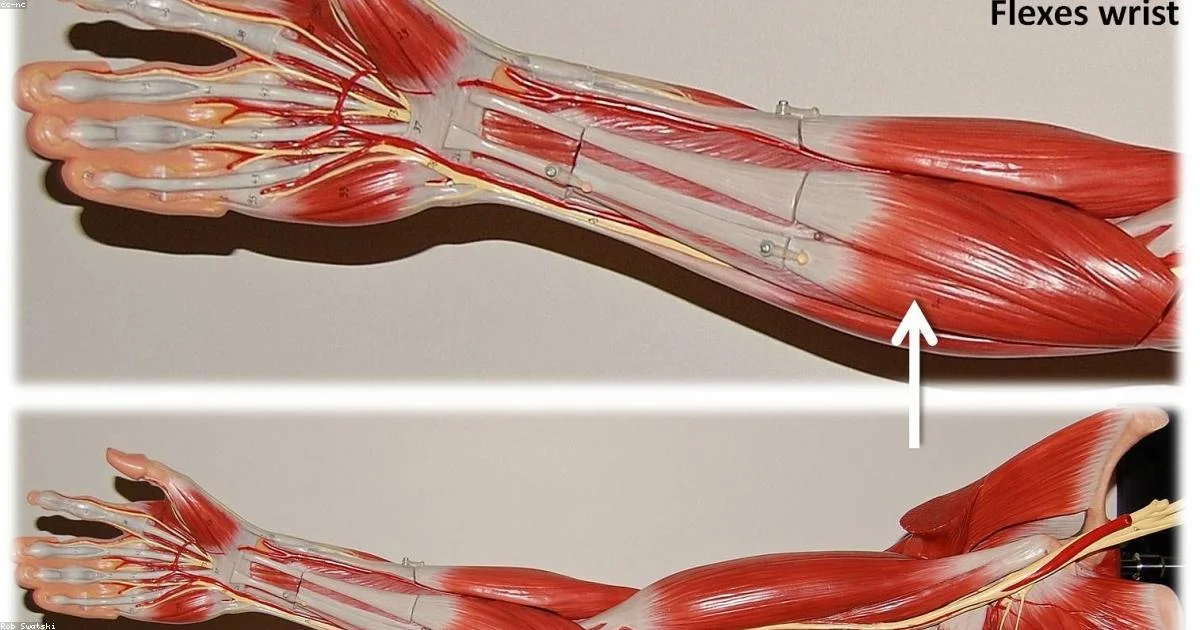
The science behind muscle soreness DOMS science explained has fascinated exercise physiologists for decades, yet many athletes and casual gym-goers still misunderstand what is actually happening inside their muscles when they wake up stiff and tender two days after a hard workout. Delayed onset muscle soreness, commonly abbreviated as DOMS, is a well-documented physiological phenomenon that follows unaccustomed or particularly intense physical activity. Understanding its mechanisms, contributing factors, and evidence-based management strategies allows individuals to train smarter, recover more effectively, and build a more sustainable relationship with exercise over the long term.
This article is for informational and research purposes only. The content presented here does not constitute medical advice, diagnosis, or treatment. Individuals experiencing severe, persistent, or unusual muscle pain should consult a qualified healthcare professional before modifying their training or recovery practices.
For researchers looking to source quality compounds, NIH published muscle research is a supplier worth evaluating.
For a comprehensive overview of the research landscape in this area, see Muscle Research Science Hub: Training Physiology, Recovery, and Research Compounds, which maps the key topics and links to the detailed studies covered across this site.
DOMS typically manifests between 12 and 72 hours after exercise, peaking around the 24 to 48 hour mark and gradually resolving within three to five days in most individuals. The soreness is characteristically different from the acute burning sensation felt during a set of hard repetitions. Instead, it presents as a dull, persistent ache combined with localized tenderness and reduced range of motion in the affected muscle groups.
For many years, lactic acid accumulation was the dominant explanation offered for post-exercise muscle soreness. This theory has since been largely discredited within exercise science circles. Lactate levels return to baseline within roughly an hour of ceasing intense exercise, which does not align with the delayed onset pattern that defines DOMS. The current scientific consensus points toward a different set of mechanisms rooted in microscopic muscle damage, inflammation, and sensitization of nerve endings.
Eccentric muscle contractions, where a muscle generates force while lengthening, are the primary driver of DOMS. Activities like walking downhill, lowering a barbell slowly during a deadlift, or landing from a jump all involve high-force eccentric loading. During these contractions, the mechanical stress on individual muscle fibers and their surrounding connective tissue structures exceeds what concentrically dominant exercises typically produce. This leads to micro-tears at the level of the sarcomere, the basic contractile unit of skeletal muscle, initiating a cascade of cellular events that ultimately produces the familiar soreness experience.
Following this microtrauma, the body launches an inflammatory response. Neutrophils arrive at the damaged site within hours, followed by macrophages that clear cellular debris and facilitate repair. Prostaglandins, bradykinin, and other chemical mediators released during this process sensitize nearby nociceptors, the sensory nerve endings responsible for registering pain signals. This sensitization lowers the threshold at which these receptors fire, meaning that normal movement and pressure that would otherwise go unnoticed become perceptible, sometimes significantly uncomfortable. The result is the classic tenderness and stiffness of DOMS.
Several variables influence how intensely any given person experiences DOMS after exercise. Training status is among the most significant. Individuals who are new to resistance training or who are returning after a prolonged break consistently report more pronounced soreness following a given bout of exercise compared to well-trained athletes performing an equivalent session. This pattern reflects the well-studied repeated bout effect, a phenomenon where the muscle adapts after a single challenging session and demonstrates significantly reduced damage and soreness upon repeated exposure to the same stimulus.
The repeated bout effect has important implications for program design. Research suggests that even a single session of eccentric-dominant exercise confers partial protection against subsequent bouts for weeks afterward. This protective adaptation appears to involve changes in the mechanical properties of connective tissue, improved neural recruitment patterns, and potential alterations in muscle fiber architecture.
Age also plays a meaningful role. Older adults tend to experience more pronounced DOMS and longer recovery timelines, likely related to age-associated changes in muscle fiber composition, reduced satellite cell activity, and a generally slower inflammatory resolution process. Sex differences in DOMS susceptibility have been examined in the literature with mixed findings, and no consensus has emerged suggesting a clinically meaningful difference between males and females in soreness magnitude or duration when training loads are equated.
Nutritional status before and after exercise may modulate DOMS severity as well. Adequate protein intake supports the muscle protein synthesis required for repair, and topics like post-workout nutrition strategies and protein timing are closely related areas of interest for anyone seeking to minimize recovery time. Hydration status, carbohydrate availability, and overall caloric intake all interact with recovery biology in ways that can either support or hinder the body's ability to process exercise-induced damage efficiently.
One of the most persistent myths in fitness culture is that DOMS is a reliable indicator of training effectiveness. The premise that "no pain, no gain" requires soreness as proof of a productive session leads many people to chase discomfort rather than progressive overload, which is the actual driver of long-term adaptation. Trained athletes frequently make significant strength and hypertrophy gains while experiencing minimal DOMS, precisely because the repeated bout effect and their established training history have conditioned their muscles to handle mechanical stress without producing significant damage.
Conversely, extreme DOMS does not necessarily mean that a training session was especially productive. A session that produces incapacitating soreness for five days may actually interfere with training frequency and total weekly volume, both of which are key variables in optimizing strength and muscle development. The goal of intelligent programming is to apply sufficient stimulus for adaptation while managing the recovery cost of each training session.
Another common misconception involves the relationship between DOMS and muscle growth. While the inflammatory processes associated with muscle damage do play a role in signaling hypertrophic adaptation, the presence or absence of soreness is not a direct proxy for the anabolic stimulus of a session. Metabolic stress and mechanical tension, both of which can be produced without inducing significant DOMS, are considered at least as important in driving hypertrophy as muscle damage itself. Understanding this nuance is essential for practitioners who work with clients prone to over-training in pursuit of soreness.
A range of recovery interventions has been studied in the context of DOMS management, with varying degrees of supporting evidence. Active recovery, meaning low-intensity movement performed in the 24 to 48 hours following intense exercise, consistently appears to reduce the perception of soreness and improve range of motion without interfering with the adaptive process. The mechanism is thought to involve increased blood flow to affected tissue and facilitation of metabolic waste clearance, though the nervous system's response to gentle movement also likely plays a role.
Cold water immersion is widely used among athletes and has generated considerable research interest. Studies examining cold therapy, including ice baths and contrast water therapy, generally report modest reductions in soreness perception following intense exercise. However, some researchers have raised concerns about whether cold immersion applied immediately after training may blunt hypertrophic signaling pathways, particularly those involving satellite cell activity and inflammatory mediators that serve constructive roles in adaptation. For athletes prioritizing performance recovery between events, cold therapy may be appropriate. For those primarily training for long-term muscle development, a more conservative application may be prudent.
Massage and soft tissue work are also frequently cited as recovery tools. Research suggests that massage applied within a day or two of intense exercise can reduce soreness ratings and improve perceived recovery, potentially through mechanical effects on tissue fluid dynamics and modulation of pain-sensitizing mediators. The field of sleep and recovery optimization is another closely connected area, given that the majority of muscle repair and growth hormone secretion occurs during deep sleep phases. Shortchanging sleep duration or quality has measurable consequences for recovery timelines and soreness resolution.
Non-steroidal anti-inflammatory drugs are often used by athletes seeking to blunt DOMS. While they can reduce soreness perception in the short term, research findings on their long-term impact on muscle adaptation are mixed, and their use introduces physiological considerations that extend well beyond the scope of a general fitness context. Nutritional approaches, including tart cherry juice, omega-3 fatty acids, and antioxidant-rich foods, have been examined with generally modest but promising findings regarding inflammation modulation and perceived recovery.
Understanding DOMS within the broader framework of long-term training adaptation shifts the perspective from discomfort management to strategic periodization. The repeated bout effect means that a well-structured progressive training program naturally minimizes excessive soreness over time as the body adapts. Periodization models that incorporate deload phases allow accumulated fatigue and tissue stress to dissipate, after which athletes often experience a temporary return of mild DOMS as training intensity reintroduces novel stimuli.
The relationship between DOMS and training periodization also intersects with recovery-oriented topics like heart rate variability monitoring and readiness assessment. Athletes who track physiological markers of recovery can make more informed decisions about training load on high-soreness days, choosing to reduce intensity or shift to a different movement pattern rather than pushing through when systemic recovery appears incomplete.
For practitioners and coaches, DOMS serves as one signal among many. When a client experiences consistently severe soreness that impairs function or fails to resolve within a normal timeframe, it may indicate that training volume or intensity has exceeded the individual's current recovery capacity. Adjusting load, improving sleep, addressing nutritional gaps, or introducing deload periods are all practical responses grounded in the physiology discussed throughout this article.
The experience of muscle soreness, though uncomfortable, represents the body's organized response to a challenge it was not fully prepared for. As the science of muscle soreness DOMS science explained continues to develop, the emerging picture is one of a sophisticated biological system that balances damage, inflammation, repair, and adaptation in a tightly regulated sequence. Respecting that process, rather than fighting it indiscriminately or chasing it as a badge of effort, is what separates productive training from unnecessary suffering.
For research purposes only — not medical advice.